



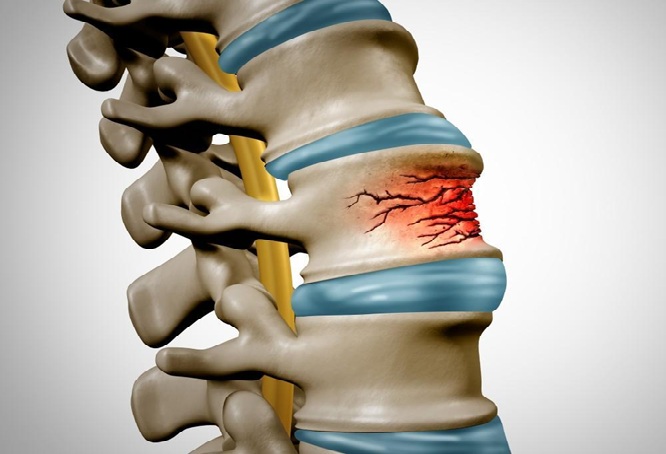
Spinal compression fractures can cause sudden, severe back pain and significantly limit mobility. These fractures are especially common among older adults and individuals with osteoporosis, but they can also occur due to trauma or underlying spinal conditions. When left untreated, compression fractures may worsen over time, leading to chronic pain, posture changes, and reduced quality of life.
Kyphoplasty is a minimally invasive procedure designed to stabilize fractured vertebrae, relieve pain, and help patients return to daily activities more comfortably. Understanding how this treatment works can help patients make informed decisions about their care.
Understanding Spinal Compression Fractures
A compression fracture develops when a vertebra weakens and compresses, most often due to reduced bone density caused by osteoporosis. Even minor movements such as bending or lifting can trigger these fractures in vulnerable individuals.
Common symptoms include:
- Localized back pain
- Reduced height
- Spinal curvature
- Difficulty standing or walking
Early and appropriate treatment is critical. Without treatment, fractures may lead to ongoing pain, further spinal instability, and limited independence. Timely evaluation allows specialists to determine whether kyphoplasty or other pain management options are appropriate.
What Is Kyphoplasty and How Does It Work?
Kyphoplasty is a minimally invasive procedure aimed at stabilizing the spine and reducing pain caused by compression fractures. During the procedure, a small incision is made, and a narrow tube is guided into the fractured vertebra using imaging technology.
A balloon is gently inflated to create space and restore some of the vertebra’s height. Medical-grade bone cement is then injected to stabilize the bone.
The procedure is typically performed on an outpatient basis and often takes about an hour. Many patients experience pain relief within days, with a faster recovery compared to traditional spine surgery. Kyphoplasty is considered safe and effective, particularly for elderly patients and those who may not be candidates for major surgical procedures.
The Importance of Specialist Evaluation
Selecting an experienced specialist is essential for optimal outcomes. Providers with advanced training in spine procedures understand the importance of precise diagnosis, image-guided techniques, and personalized care planning.
A pain medicine specialist can evaluate the source of pain, confirm whether compression fractures are the primary cause, and determine if kyphoplasty is the most appropriate treatment. This targeted approach helps reduce unnecessary procedures and ensures that each patient receives care tailored to their condition.
The Role of Interventional Pain Management
Kyphoplasty is often part of a broader approach known as interventional pain management. This field focuses on minimally invasive procedures that directly target the source of pain, reducing the need for long-term medication use.
Physicians may combine kyphoplasty with other therapies such as:
- Targeted injections
- Nerve blocks
- Physical rehabilitation
This comprehensive approach addresses both pain relief and functional improvement, supporting long-term spine health.
Managing Lumbar Spine Pain and Improving Quality of Life
Compression fractures frequently affect the lower spine, contributing to chronic back discomfort. Effective lumbar spine pain management aims to stabilize the spine, reduce nerve irritation, and restore mobility.
Kyphoplasty can significantly improve posture, decrease pain levels, and help patients move more confidently. Many individuals report improved sleep, greater independence, and a reduced reliance on pain medications.
Moving Toward Pain Relief
Living with spinal fracture pain can limit independence and overall well-being, but effective treatment options are available. Minimally invasive kyphoplasty offers a proven way to stabilize the spine and reduce pain while supporting faster recovery.
If back pain from a compression fracture is affecting daily life, professional evaluation and personalized treatment planning may help identify the best path forward.